
A fireplace has a way of making a Mantoloking home feel complete. On a chilly coastal evening, few things feel better than the glow of a fire, the sound of wood crackling, and the comfort of knowing your home is warm and welcoming. But behind that peaceful scene is a system that works harder than many homeowners realize. For chimney professionals, fireplace service is not just about sweeping soot. It is about understanding how weather, moisture, salt air, masonry, ventilation, and regular use all affect the safety and performance of a fireplace. That is especially true in shore towns, where homes face a unique combination of wind, humidity, ocean air, and seasonal use. For homeowners searching for Mantoloking fireplace service, here are the things chimney professionals wish more people knew before lighting the first fire of the season.
A Fireplace Is Not a “Set It and Forget It” Feature
Many homeowners think of a fireplace as a simple part of the house. You open the damper, light the fire, and enjoy the warmth. Chimney professionals see something different. They see a connected system made up of the firebox, smoke chamber, flue, chimney liner, damper, cap, crown, flashing, masonry, and exterior structure.
When one part of that system develops a problem, it can affect the rest. A cracked crown can let water enter. A missing chimney cap can allow rain, animals, and debris inside. A damaged liner can affect draft and safety. A deteriorating firebox can signal years of heat exposure or moisture damage.
That is why regular Mantoloking fireplace service matters. It gives a professional the chance to look at the whole system, not just the visible brick around the hearth.
Mantoloking Homes Face More Moisture
Living near the water is one of the best parts of Mantoloking, but the coastal environment can be tough on a chimney. Salt air, wind-driven rain, humidity, and freeze-thaw cycles can all wear down masonry over time.
Chimney professionals often wish homeowners understood that water is one of the biggest enemies of a chimney. A fireplace may seem like it only needs attention during the colder months, but chimney damage often starts during rainy, humid, or windy weather.
Moisture can seep into small cracks in mortar joints, brick, or the chimney crown. When temperatures drop, trapped water can freeze and expand. Over time, this can lead to cracking, spalling brick, staining, loose mortar, and structural deterioration. In a shore community, these issues can develop faster than expected. A professional Mantoloking fireplace service visit can help identify signs of moisture damage before they turn into expensive repairs.
Creosote Is Not Just “Dirt”
One of the most common things chimney professionals remove during service is creosote. To a homeowner, it may look like black residue or soot. To a chimney technician, creosote is a warning sign that should never be ignored.
Creosote forms when wood burns and smoke moves through the chimney. It can collect on the flue walls and become increasingly difficult to remove depending on its stage and texture. Heavy buildup can affect airflow and increase the risk of chimney problems.
Several habits can contribute to faster creosote buildup, including burning unseasoned wood, allowing fires to smolder, restricting airflow too much, or using the fireplace frequently without service. Even homeowners who only use their fireplace occasionally should not assume the chimney is clean.
The Wood You Burn Matters
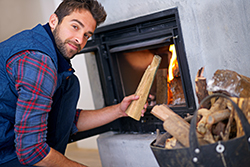
Mantoloking fireplace service professionals can often tell when a homeowner has been burning wet, green, or poor-quality wood. It affects the amount of smoke, residue, odor, and buildup inside the system.
Dry, seasoned hardwood is usually the better choice for a cleaner, hotter burn. Wet wood creates more smoke, produces less heat, and can contribute to heavier creosote formation. It can also make the fireplace more frustrating to use because the fire may be harder to start and keep going.
Homeowners should also avoid burning trash, painted wood, treated lumber, cardboard piles, or other materials not meant for the fireplace. These can create excess smoke, unpleasant odors, and residue that does not belong in the chimney system.
Professionals wish more homeowners knew that good fireplace care starts before the fire is even lit.
A Chimney Cap Is Not Just Decorative
From the street, a chimney cap may look like a small finishing detail. In reality, it plays an important role in protecting the chimney.
A properly installed chimney cap can help keep out rain, leaves, animals, and debris. It can also reduce downdrafts and help prevent sparks or embers from escaping the flue. In a place like Mantoloking, where wind and weather can be unpredictable, a chimney cap is especially valuable.
When a cap is missing, damaged, rusted, or poorly fitted, the chimney becomes more vulnerable. Birds, squirrels, nesting material, leaves, and rainwater can enter the flue. Homeowners may not notice the issue until they smell odors, hear animals, see debris in the fireplace, or experience draft problems.
Odors Are Often a Clue
A smoky, musty, or sour smell from the fireplace should not be ignored. Chimney odors can come from creosote buildup, moisture, animal activity, negative air pressure, or debris inside the flue.
Some homeowners try to solve fireplace odors with candles, air fresheners, or room sprays. Chimney professionals would rather find the source. Covering up the smell does not fix the problem.
In coastal homes, moisture-related odors can be especially common. Humid air can intensify smells inside the chimney, particularly if creosote or organic debris is present. Professional Mantoloking fireplace service, inspection, and cleaning can help determine whether the odor is caused by buildup, water entry, blockage, or another issue.
Draft Problems Are Not Always Simple
If smoke enters the room instead of going up the chimney, many homeowners assume the flue is dirty. That may be true, but draft problems can have several causes.
A blocked flue, closed or damaged damper, improper chimney height, negative pressure in the home, cold air in the chimney, or competing exhaust systems can all affect draft. Modern homes with tighter construction can sometimes make draft issues more noticeable because the fireplace needs enough replacement air to work properly.
Chimney professionals wish homeowners knew that smoke problems deserve attention. A fireplace that spills smoke into the living space is not operating as intended. It should be evaluated before the next fire.
Small Cracks Can Lead to Big Repairs
A tiny crack in masonry may not seem urgent. However, chimney professionals know that small cracks can invite water, and water can make the problem worse.
This is especially important for Mantoloking homes because exterior chimneys face strong coastal exposure. Mortar joints, crowns, flashing, and brickwork should all be monitored. When caught early, some issues may be addressed with maintenance or minor repair. When ignored, they can lead to more involved restoration work.
Homeowners do not need to become chimney experts. They only need to know that visible cracks, stains, loose brick, white residue, rust, or other signs are worth a professional look.
Annual Mantoloking Fireplace Service Helps Protect More Than the Fireplace
A fireplace adds comfort, charm, and value to a home, but it also requires responsibility. Annual service gives a chimney professional a chance to clean the system, evaluate visible components, look for damage, and recommend repairs when needed.
For seasonal homes, rental properties, and year-round residences in Mantoloking, this matters. A fireplace may sit unused for months, but the chimney is still exposed to weather every day. Animals can nest inside. Moisture can enter. Masonry can shift. Debris can collect. A homeowner may not know anything has changed until the fireplace is used again.
What Baron’s Chimney Service Wants Homeowners to Remember
The biggest thing chimney professionals wish homeowners knew is simple: fireplace service is preventive care. It is easier to address minor issues early than to wait until smoke, odors, leaks, or visible damage appear.
For Mantoloking homeowners, a fireplace is part of the coastal home experience. Whether it is used every weekend in winter or only a few times each season, it deserves proper attention. Baron’s Chimney Service helps homeowners better understand the condition of their Mantoloking fireplace service so they can enjoy their home with more confidence.
If you are looking for dependable Mantoloking fireplace service, make chimney care part of your regular home maintenance plan. Your fireplace will work better, your chimney will be better protected, and your home will be ready when the next cold night arrives.
For even more information, check out National Fire Protection Association codes and standards.